Pub Ed
Good to know.
The state sites we point people to for burning, air quality and roads, and what we want you to know about wildfire around your home.
Wildfire and your home
Where houses meet wildland.
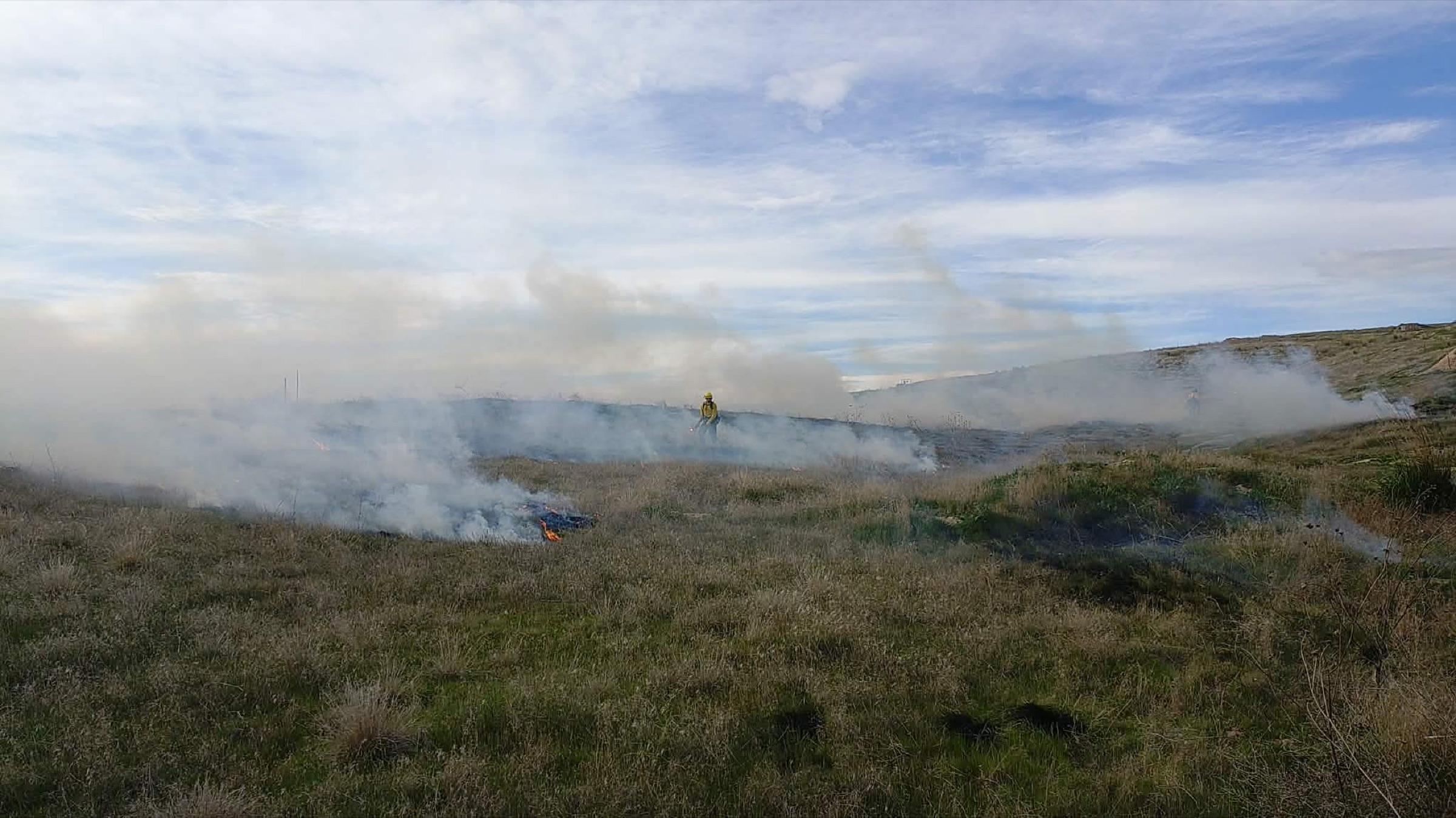
Sand Hollow Fire District includes 7,600 acres of Bureau of Land Management public land, and more housing is going into the wildland urban interface, or WUI. It's where wildfire poses the greatest risk to people, because flammable vegetation is so close.
Here's what you can do before a fire ever starts.
- Three zones around your homeHow to build defensible space, from the house outward.
- Harden your home against embers and heatRoof and vents, decks, siding and windows, trees and plants.
- Where to startThe jobs to do first, and NFPA's full checklist.
- Be ready before it startsAn emergency plan, two ways out, and when to leave.
Helpful links
Check these before you burn, build or drive.
- Idaho Department of LandsBurn permits (opens in a new tab)Apply for a state burn permit online.burnpermits.idaho.gov
- Idaho DEQAir quality map (opens in a new tab)Current air quality across Idaho.airquality.deq.idaho.gov
- Idaho 511Road conditions (opens in a new tab)Road conditions, closures and alerts across Idaho.511.idaho.gov
- Idaho Department of LandsReady, Set, Go! Idaho (PDF, opens in a new tab)Idaho's guide to getting your family and home ready for a wildfire, and knowing when to leave.PDF
- Idaho FirewiseFirewise landscapes (opens in a new tab)Plants and landscaping that help protect a home from wildfire.idahofirewise.org
- Sand Hollow Fire DistrictWildfire and your homeWhat the wildland urban interface means here: defensible space, protecting your home and being ready to leave.Read more
Want to help out? Apply to volunteer.
Burning
Before you light anything.
Check the state burn permit site and the air quality first. For anything about burning in the district, call (986) 221-9127 or send us a message.
What can and cannot be burned
These are Idaho DEQ's open burning rules, which are applicable statewide. Local ordinances may be more restrictive.
What cannot be burned
- Garbage
- Dead animals or animal waste
- Junk motor vehicles or parts
- Tires or other rubber materials
- Plastic
- Asphalt
- Tar and petroleum materials
- Paints
- Lumber or preservative-treated wood
- Trade waste (construction or demolition waste, or any material resulting from the operation of any business)
- Insulated wire
- Pathogenic waste
- Hazardous waste
What can be burned
Allowable forms of open burning cannot include prohibited items.
- Recreational warming fires
- Fires for preparation of food, campfires, BBQs, and small fires for hand warming.
- Residential yard waste
- Tree leaves, yard trimmings, and garden waste on the property where they were grown.
- Residential paper and cardboard
- Only if house-to-house garbage service is not available.
- Weed control fires
- Fires for weed abatement along fence lines, ditch banks, and canal banks.
- Prescribed burning
- Open burning of forest and rangeland to accomplish land management objectives.
- Orchard fires
- Orchard clippings on the property where they were grown.
Crop residue burning
Growers may burn crop residue in accordance with the Crop Residue Burning Permit-by-Rule Program.
Required to contact DEQ before any burning occurs; size does not matter. Must obtain a permit from DEQ.
Crop residue burning includes:
- Whole fields
- Pastures
- Spots within a field or pasture
- Broken bales in the field that they were generated during the time of harvest
- Conservation Reserve Program lands
- Food plots
- Blanching or flaming operations
For more information regarding crop residue burning, call 1-866-224-2456 or see DEQ's crop residue burning page (opens in a new tab).
For more about open burning in your area, see DEQ's “Can I Burn?” page (opens in a new tab) or contact your local fire department.
Building & access
If we can't reach it, we can't save it.
Building out here comes with a few things the fire department cares about: chiefly whether an engine or a tender can physically get to your place, turn around, and get water to it.
Questions about building or a driveway: send us a message.